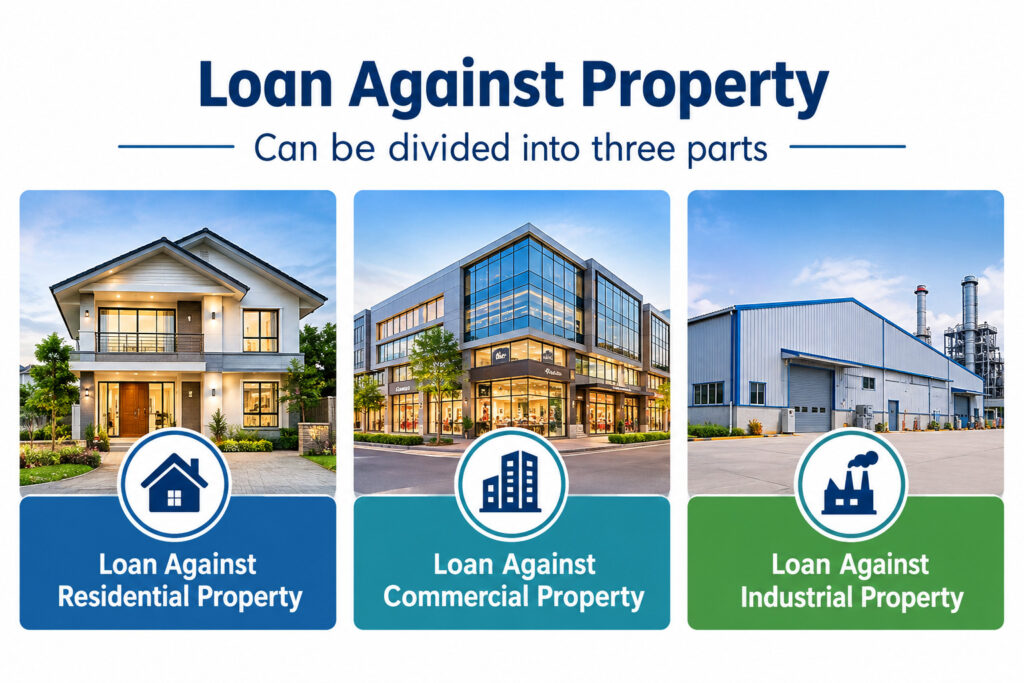
Loan Against Residential Property
A mortgage loan (secured by real estate is a secured loan that allows homeowners to obtain funds by mortgaging their primary residence with a bank or financial institution. Unlike a traditional mortgage—which is generally used for the purchase, construction, or renovation of a primary residence—a loan secured by real estate can be used for various legitimate financial purposes, depending on the lender’s policies.
To obtain a loan secured by real estate, the borrower must own a primary residence that can serve as collateral. Before determining the loan amount, the lender evaluates the property through comprehensive technical and legal due diligence. This assessment considers factors such as market value, location, construction quality, proof of ownership, existing debts, and the applicant’s income and repayment capacity.
Mortgage Loan Amount
A key difference between a conventional mortgage and a mortgage secured by real estate lies in the loan-to-value (LTV) ratio. Many conventional mortgages, depending on the property and applicable lending criteria, offer financing that covers a higher percentage of the property’s appraised value. In comparison, the amount of a mortgage secured by real estate typically ranges from 60% to 70% of the market value determined by the lender, although this percentage may vary.
For example, if a residential property is appraised at 10 million rupees (1 crore), the lender will determine the loan amount based on its loan-to-value (LTV) ratio and valuation criteria. The final approved amount will also depend on the applicant’s income, existing debts, credit history, age, repayment capacity, and other eligibility criteria.… 1 crore legal and technical procedures.
Before disbursing a mortgage secured by real estate, the lender typically completes several important procedures. These include legal verification of ownership, technical valuation, income verification, KYC (Know Your Customer) procedures, credit checks, and file preparation. Once the loan is approved, the necessary formalities to establish the mortgage or provide the collateral are completed.
The lender may also require the registration of a security interest or lien on the property, as well as other security and registration procedures. Funds are generally disbursed only after all documentation requested by the lender has been received and the security formalities have been completed.
Why choose a mortgage secured by real estate ?
A residential real estate-backed mortgage can be advantageous for homeowners who need to access significant sums of money without selling their property. This type of loan typically offers a structured repayment plan and can be used for various permitted purposes, subject to the lender’s terms and conditions.
Choosing the right lender is crucial, as interest rates, loan-to-value (LTV) ratios, processing requirements, valuation methods, loan terms, required documentation, and other conditions can vary significantly. Professional advice can help homeowners clarify their situation, compare available loan options, and navigate the loan process smoothly.
Commercial Property-Backed Loans (CRSL)
A commercial property-backed loan (often referred to as a CRSL) is a loan that allows property owners to raise capital by mortgaging an existing commercial property with a bank or financial institution. Commercial properties such as showrooms, retail stores, offices, commercial buildings, and other suitable commercial premises can serve as collateral, subject to the lender’s policies and property eligibility criteria.
This type of loan differs from a traditional commercial mortgage. With a CRSL, the borrower already owns the property and leverages its value to secure funds for an eligible financing need. The property remains a key form of collateral for the lender throughout the loan term.
Loan Amount for Commercial Property-Backed Loans
The loan amount is generally determined by the lender’s Loan-to-Value (LTV) ratio (the ratio of the loan amount to the property’s value), the market value as assessed by the lender, the borrower’s income and credit profile, existing debts, and repayment capacity. In many cases, a commercial real estate loan can finance approximately 50% to 60% of the property’s market value, based on the lender’s valuation. However, the loan amount may vary depending on the bank or financial institution, property location, type of construction, legal status, valuation, borrower profile, and other applicable conditions.
For example, if a commercial space or retail store is valued at 10 million Indian rupees (1 crore), the lender will consider the loan application based on its Loan-to-Value (LTV) ratio and eligibility criteria. The final approved amount will be determined following property valuation, legal due diligence, income analysis, and the loan approval process.Loans for Commercial Premises and Retail Stores
A Loan Against Property (LAP) for commercial real estate can be particularly advantageous for owners of commercial premises and retail stores who wish to leverage their property’s value without selling it. Depending on the lender’s terms, the funds may be used for approved business or personal financing purposes.
Given that commercial properties vary in terms of rental potential, location, layout, and legal structure, lenders typically conduct thorough technical and legal due diligence before approving the loan.
Legal and Mortgage Procedures
Before disbursing funds, the lender generally carries out a property valuation, title verification, technical inspection, KYC (Know Your Customer) check, income verification, creditworthiness assessment, and file preparation. Necessary procedures regarding mortgages, liens, or other forms of security are completed in accordance with the lender’s requirements and applicable regulations.
The loan is disbursed only after all conditions and security-related formalities have been met.
Choosing the Right Commercial Real Estate Loan
Interest rates, loan-to-value ratios, loan tenures, processing fees, required documentation, and eligibility criteria can vary from lender to lender. Therefore, comparing various loan options can help property owners find a commercial real estate financing solution that suits their needs.
A well-structured commercial real estate loan allows owners to access financing for their existing showrooms, retail stores, or commercial properties while retaining ownership of the asset, subject to the lender’s terms and conditions.